Drug Abuse Prevention in Waste Picker Communities: What Works and Why
Ask any outreach worker in East Delhi's informal settlements what the single most dangerous trend is and the answer is consistent: solution. Inhalants like correction fluid, whitener thinner, and rubber adhesives are cheap, unregulated, and wreck the brains of adolescents long before the household notices. In the same clusters, alcohol dependency among adult men drives domestic violence, missed wages, and the very scrap-sorting accidents our Aarogyam camps then treat.
Our Drug Abuse Prevention Programme is deliberately not a scare-tactic lecture series. It is a structured, six-component intervention built from what the evidence base actually shows works.
1. School-Based Awareness
Modules are delivered in Hindi to children aged 11–16 in our Community Learning Centres and partner government schools. The curriculum avoids shock photography and instead uses role-play, peer-led storytelling, and refusal-skills practice.
2. Peer Leader Groups
In every cluster we train 8–10 adolescents as peer educators. Peers, not adults, are the most credible messengers at this age. They run weekend sessions, identify at-risk friends privately, and refer them to our counselors.
3. One-on-One Counseling
A part-time clinical psychologist holds confidential sessions twice a week. Presentations range from inhalant use to early-stage alcohol dependency to tobacco cessation. No family is billed and no record leaves the room without consent.
4. Family Mobilisation
Because addiction in these communities is a household system and not an individual failing, mothers and siblings are brought into the intervention early. We run monthly family-circle meetings where women who have seen a husband stop drinking share, plainly, what worked.
5. Referral to De-addiction Centres
Severe cases — adolescents who have been inhaling for over a year, adults with liver markers already elevated — are referred to government and NGO de-addiction beds. We follow up weekly.
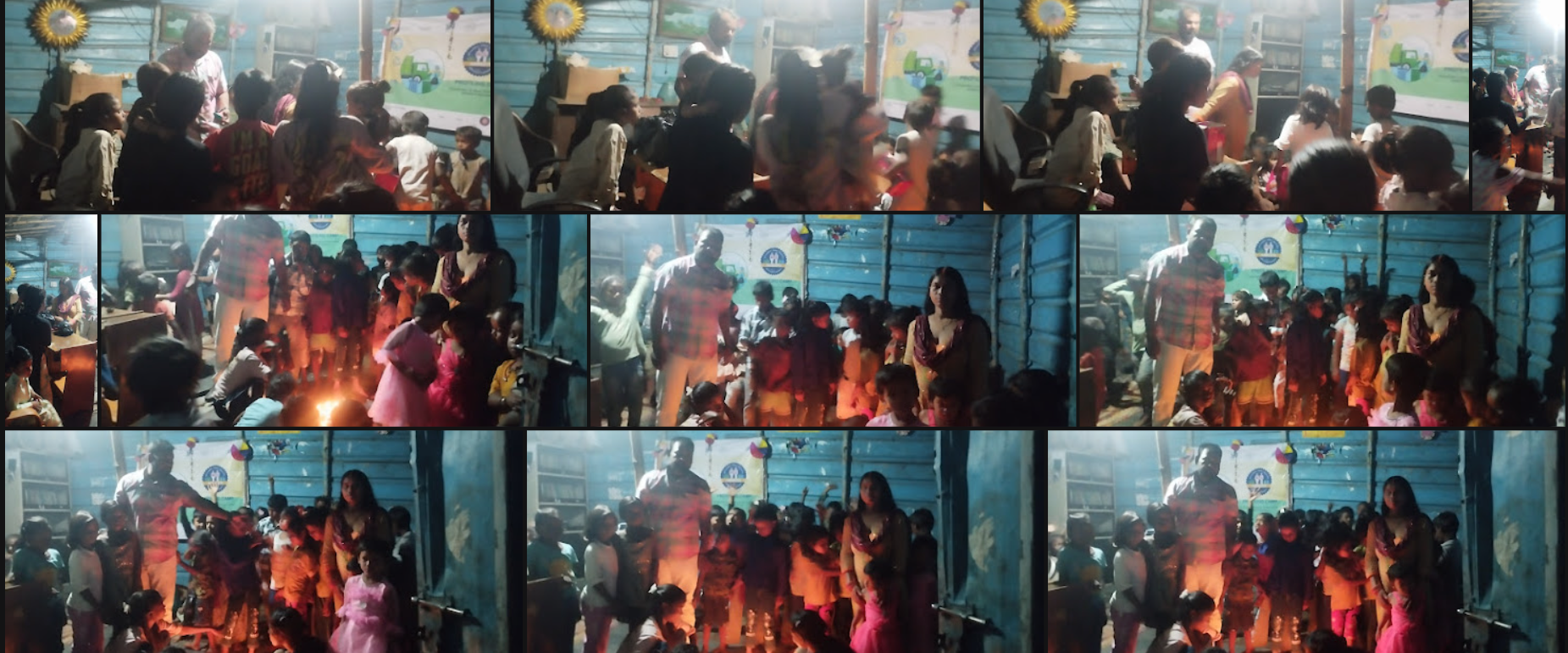
6. Candle Vigils and Community Pledge Events
Once a quarter the community gathers for a visible public pledge. Survivors speak. Mothers light candles for those they have lost. This is ritual, not programming — and it binds the harder clinical work to a shared moral story.
What We Have Learned
Over 300 adolescents have been screened in the past three years. Of the 47 who were found actively using inhalants, 34 have been substance-free for at least 12 months. Relapse is real; the goal is not zero but a manageable, declining trend line. If you are a professional in addiction medicine or psychology and can offer even two hours of volunteer time a month, please contact us.