Safeguarding Children and Vulnerable Adults: How Waste Pickers Welfare Foundation Keeps Everyone Safe
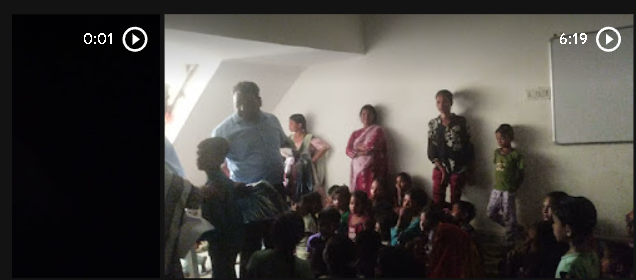
Any organisation that works with children or women in vulnerable settings has a non-negotiable duty: to ensure that the people who walk through its doors leave safer, not less safe. The sector has painful case histories of failure here, and the default of "everyone seems like a good person" is exactly the default that creates risk.
Our safeguarding framework is a working policy — not a laminated statement on a wall.
1. Recruitment and Vetting
- Every staff member and long-term volunteer signs a Code of Conduct before the first day on ground
- Reference checks from at least two prior employers or institutions
- Disclosure of any criminal record; declared convictions are reviewed by the Secretary before any engagement
- No staff or volunteer is permitted to be alone with a child off-site without a written parent consent and a second adult present
2. Legal Compliance
Our programmes operate within the framework of:
- Juvenile Justice (Care and Protection of Children) Act, 2015
- Protection of Children from Sexual Offences Act, 2012 (POCSO)
- Sexual Harassment of Women at Workplace (Prevention, Prohibition and Redressal) Act, 2013 (POSH)
- Child labour prohibitions under national and state law
We maintain a constituted Internal Complaints Committee per POSH requirements and a designated Child Protection Officer per POCSO best practice.
3. Reporting Channels
Any staff member, volunteer, parent, or community member can report a safeguarding concern through any of four channels:
- Directly to the designated Child Protection Officer (phone number on every CLC wall)
- To the Secretary (Virender Kumar, +91-9968125328)
- Via email to Bali.charan@gmail.com marked "Confidential — Safeguarding"
- Anonymously via a drop-box installed at our main centre
Every reported concern is logged, investigated, and closed with a documented outcome. Retaliation against a reporter is itself a code-of-conduct violation.
4. Physical Environment
- Our centres have clearly visible signage on reporting channels, in Hindi and English
- Bathrooms, play areas, and counselling rooms are designed for visibility (half-glass doors, open-plan layouts)
- Photography of children requires written parental consent; no child's full name is published alongside an identifiable image
5. Training
Every new staff member undergoes a half-day safeguarding orientation before ground deployment. Refresher sessions are held twice a year for the full team, led by an external trainer where possible.
6. Transparency
Our safeguarding policy is available on request to any donor, partner, or auditor. We will not share specific case details for confidentiality reasons, but aggregate annual numbers (concerns raised, categories, resolutions) are noted in our Annual Report.
If you are a parent with a concern, a volunteer who witnessed something unsafe, or a journalist investigating the sector's practices — please reach out through the channels above. Safeguarding only works when it is everyone's business.