Nutrition and Anaemia Among Waste Picker Women: Why It Is the Most Common Diagnosis at Our Camps
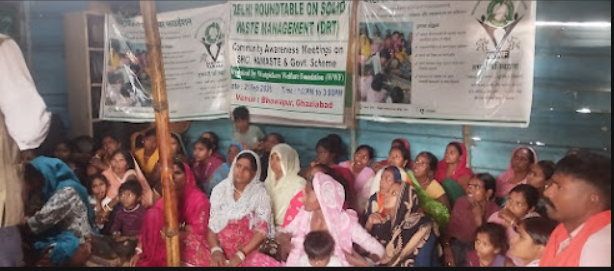
If you stand next to the haemoglobin-testing station at one of our monthly Aarogyam camps, you see the same result on strip after strip: low. An Hb of 8 or 9 g/dL is routine. 7 is not unusual. 6 brings out the doctor for a more careful look. In national surveys, anaemia among women of reproductive age in urban poor populations hovers around 60%. In our specific waste picker cohort, we frequently exceed that.
Why This Population Has Anaemia at This Rate
- Dietary iron is limited — diets rely heavily on cereals and pulses; green leafy vegetables are seasonal and meat/eggs are rare due to cost
- Worm infestation is under-recognised — chronic hookworm loss of blood compounds dietary deficiency
- Repeated pregnancies without full iron-supplementation compliance
- Menstrual cycles are managed with limited absorbent capacity; blood loss is poorly quantified
- Tea with meals — a near-universal cultural practice — inhibits non-heme iron absorption
Our Treatment Protocol at Aarogyam Camps
- Screen every woman over 15 on arrival
- Deworm all household members with a single-dose albendazole 400 mg, repeated every six months
- Supplement — oral ferrous sulphate + folic acid (IFA tablets) for at least 100 days, aligned with the Anemia Mukt Bharat national protocol. For Hb < 7 g/dL, referral to a partner hospital for IV iron under supervision.
- Counsel on dietary modification — jaggery-peanut chikkis, sprouted black chana, inclusion of seasonal greens, separation of tea from meals by at least one hour
- Re-test at three months and six months through the same camp cycle
Why Supply Alone Is Not Enough
In the first year we simply handed out IFA strips. Adherence was poor — the tablets caused constipation and black stools, women stopped at day 20, and Hb did not move. We changed the model:
- Combined the tablet distribution with weekly SHG reminders from peer leaders
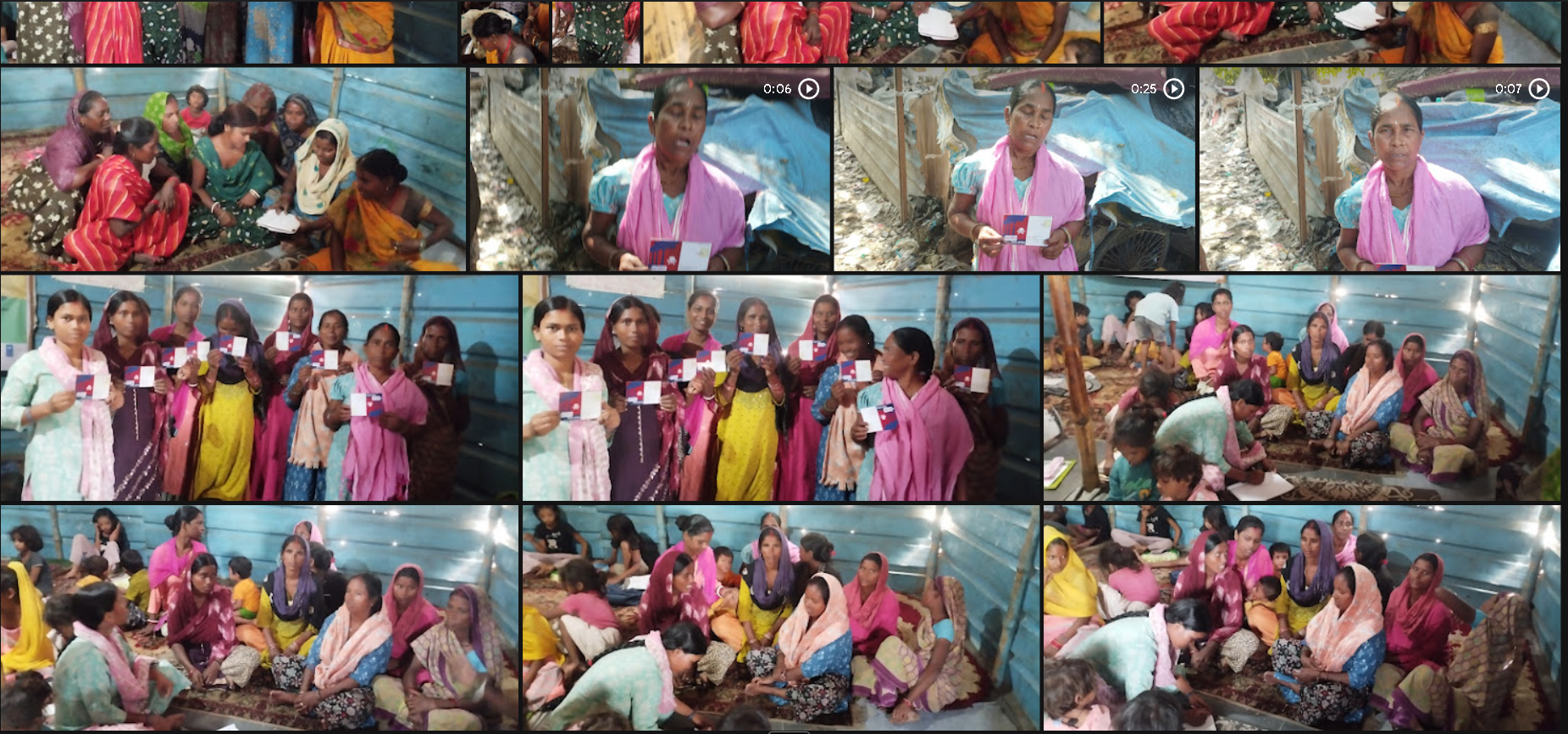
- Demonstrated simple, low-cost iron-rich recipes at the SHG meeting
- Provided a small supply of laxative foods alongside IFA to pre-empt the constipation side-effect
- Followed up at 30 days, not 90, to catch drop-offs
Adherence rose from roughly 30% to over 70%. Hb changes followed.
How Corporates and Individuals Can Support
An annual cycle — IFA tablets, deworming, nutrition demonstrations, follow-up tests — costs approximately ₹450 per woman. A CSR grant of ₹4.5 lakh covers a full 1,000-woman cohort for a year. If you work in pharma, nutraceuticals, or women-focused CSR, this is one of the cleanest unit economics in preventive health. Talk to us.