Menstrual Health in Urban Poverty: What Waste Pickers Welfare Foundation Has Learned
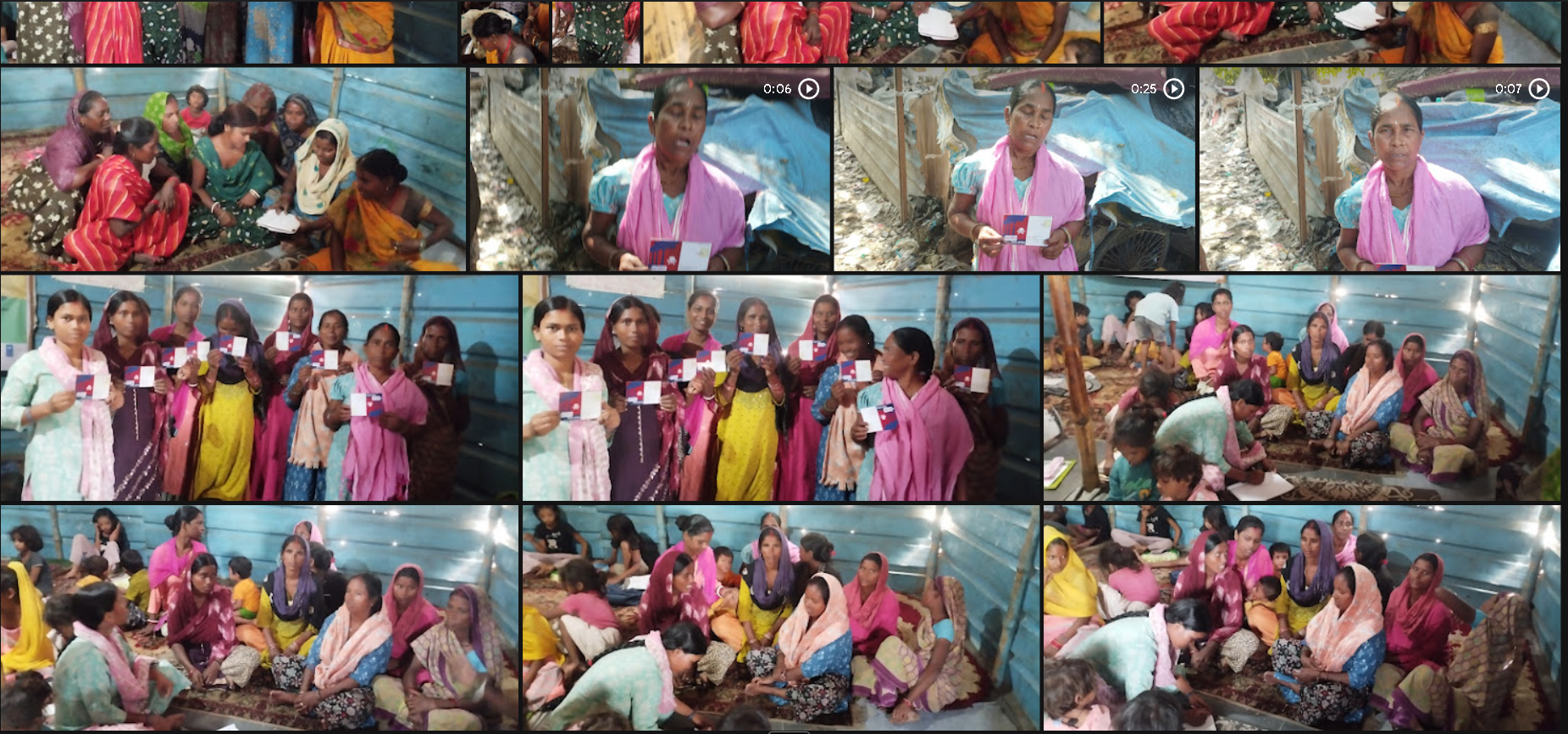
A 19-year-old in our SHG programme once told a counsellor, almost in passing, that she had not attended school on any cycle day since she was twelve. Not because the school forbade her — but because she could not afford a pad, her home had no private corner, and the nearest public toilet was locked by noon. Multiply that single sentence by the thousands of women and adolescents in waste picker households across Delhi, and the scale of the issue becomes visible.
The Real Barriers, in Order
- Cost — a ₹40 pack of pads is a real tradeoff when the day's scrap income is ₹150
- Privacy — no private bathroom, often shared community toilets that close at dusk
- Information — menarche is rarely prepared for; many girls first experience their period alone and scared
- Disposal — used products are thrown into the same scrap streams the family sorts, creating a biohazard cycle
- Taboo — restriction from kitchens, places of worship, and sometimes from school attendance
Our Programme Design
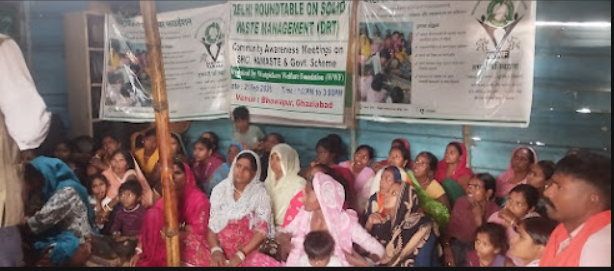
Adolescent Sessions at CLCs
Girls aged 11–16 attend a monthly menstrual-health session — anatomy, cycle tracking, pain management, product options, and safe disposal — delivered by a trained woman facilitator in a closed-door setting. Mothers are invited to a separate evening session.
Subsidised Product Access
We distribute sanitary pads at a nominal ₹10 per pack (actual cost ₹30–₹40) through our centres and through SHG leaders. The nominal price is intentional: fully-free distribution, we have learned, is taken less seriously and shared less. ₹10 keeps the product valued without making it unaffordable.
Reusable Cloth-Pad Kits
For families where monthly pad purchases are genuinely impossible, we train SHG members to stitch reusable, double-layered cotton pads that last 6–12 months with proper washing. The kits are sold at cost through the SHG network, and the income returns to the group.
Disposal Education
We advocate for double-wrapping in newsprint and disposal into designated municipal bins — not into the scrap stream, never into water bodies. Where local arrangements permit, we coordinate with MCD for segregated sanitary-waste pickup.
Measuring Quiet Impact
Impact here is measured less by pad counts and more by:
- Fewer school-day absences among adolescent girls in partner CLCs
- Self-reported confidence and reduced shame (tracked through annual anonymous surveys)
- Fewer gynaecological infections presented at Aarogyam camps
What Support Helps Most
Corporates that manufacture or distribute menstrual products, and individual donors who want to underwrite a year of subsidised distribution for one basti (~₹45,000 for ~50 women), are the most useful partners we can find. Reach out.