Who Are India's Waste Pickers? Understanding the 4 Million Hands That Keep Our Cities Clean
Open any report on Indian solid waste management and you will find tables of tonnage, compliance percentages, processing capacity. What you almost never find is the name of a single person who actually touches that garbage. And yet the entire system — municipal, environmental, economic — rests on their shoulders.
The Scale Most People Do Not Know
Credible estimates put the number of informal waste pickers in India between 1.5 million and 4 million. They recover, sort, and route into recycling an estimated 15%–20% of urban municipal solid waste — at zero cost to the municipality and without any recognition.
Delhi alone generates over 11,000 tonnes of solid waste daily. Without the informal sector, the city's three landfills — Bhalswa, Okhla, Ghazipur — would have collapsed years ago.
Who They Actually Are
- Migrant communities from Bihar, West Bengal, Bangladesh border districts, and rural Uttar Pradesh
- Largely women and children at the sorting end; men dominate the collection rounds
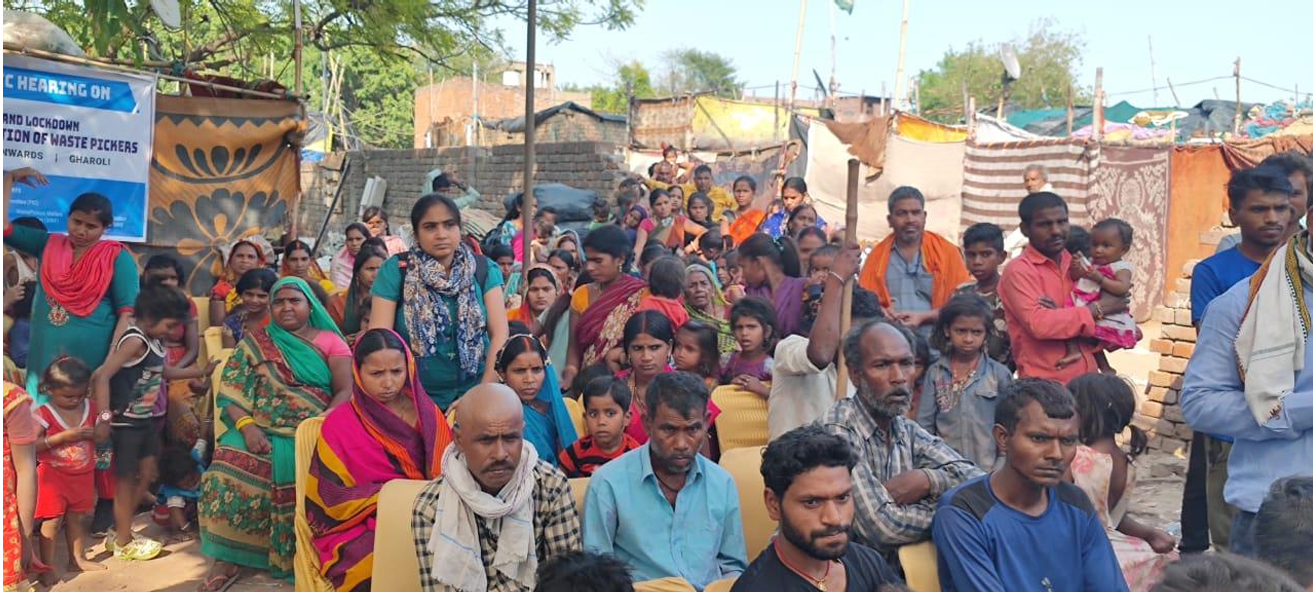
- Usually living in bastis on municipal or railway land without legal tenure
- Earning ₹100–₹300 per day depending on scrap prices, season, and physical capacity
- Often lacking Aadhaar, voter ID, or bank accounts — which is why government schemes rarely reach them
The Daily Hazards We Do Not Acknowledge
A waste picker in East Delhi routinely faces:
- Sharps injuries from glass, needles, blades — with no tetanus protocol
- Respiratory illness from particulate matter and burning plastic
- Exposure to heavy metals leaching from e-waste
- Dog bites, spinal injuries from carrying 40–60 kg loads
- Harassment by police and residents' welfare associations
- Exclusion from formal solid waste management tenders awarded to corporate operators
What Policy Recognises (and What It Misses)
The Solid Waste Management Rules 2016 explicitly direct urban local bodies to integrate waste pickers. Swachh Bharat 2.0 references their inclusion. But implementation lags. In most cities, when privatised door-to-door collection is introduced, the informal worker who used to collect from that lane loses income overnight — and gets no alternative.
What Waste Pickers Welfare Foundation Does About It
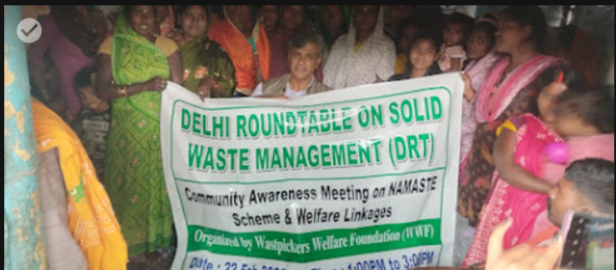
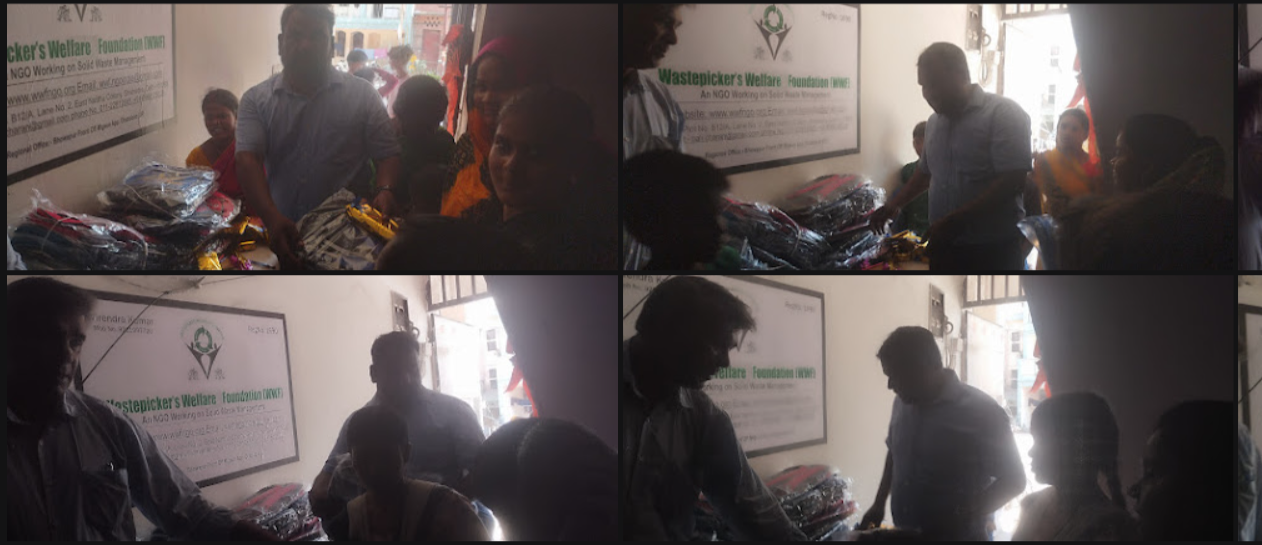
We focus on three leverage points: identity (helping workers get Aadhaar, ration, and occupational cards), integration (advocacy so municipal tenders include them), and safety net (health camps, education for their children, skill alternatives for the youth). The larger project — of turning these invisible four million into a recognised, dignified workforce — belongs to all of us. Learn more about our work.